
Introduction
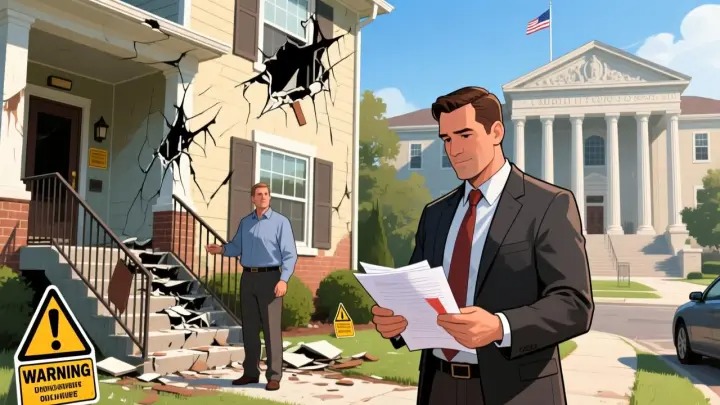
Living within a rental home or building inherently encompasses the basic assumption that the living accommodation will be safe and fit to live in. When renters fulfill their duty by making timely payments of rent, they trust their landlords and have the assumption that their landlords will take due care to keep the property safe, will act promptly to correct any dangerous conditions that emerge, and will ultimately ensure a safe and secure living accommodation.
Nevertheless, even with these assumptions, accidents can and will happen, and many times this is a result of a landlord’s lack of proper attention and correction of perilous conditions within the building. In cases of this nature, renters might actually have the legal basis to collect on a premise’s liability claim against their landlord, seeking damages and reimbursement for any harm or damages incurred by virtue of their landlord’s failure to act.
This all-inclusive guide comprehensively reveals all that you should know about premises liability cases, with a particular emphasis on the relationship between tenants and landlords within the United States. It includes crucial points such as:
- The legal obligations that each party carries,
- The rights that tenants have,
- The procedures to follow while seeking to claim,
- The amount that can be paid by way of settlement associated with this case
- The necessary ways of establishing negligence by the landlord.
What is a Premises Liability Claim (Landlord vs. Tenant)?
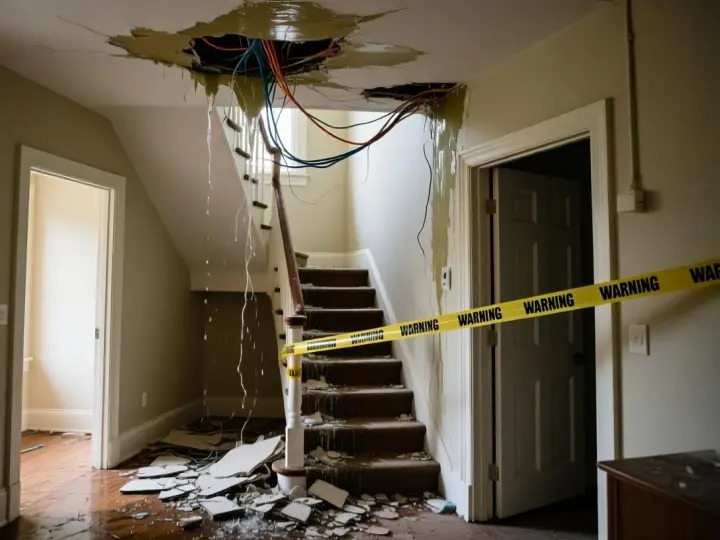
An allegation of premises liability occurs where an individual is injured directly by harmful conditions that exist on another’s property. Specifically applying to a case or dispute between a tenant and a landlord, this entails that a tenant is injured within their rented property or an accessible common area due to the landlord’s failure to make the conditions of the property safe.
For instance:
- A tenant slips down an abandoned staircase.
- The ceiling collapses due to water damage that has not been fixed.
- Faulty electricity wiring has been found to cause the fire to ignite inside the apartment.
In such instances, tenants will occasionally sue the landlord to make him or her responsible for damages that were incurred. This is all within the doctrine of premises liability.
Premise Liability and the Duty of Care of a Renter’s Lease
In the USA, landlords owe a duty of care to their tenants. They have to make the property reasonably safe and adhere to the state codes of housing. If they don’t, they can be held liable in court.

What Renters Are Entitled To by Legal Protections
- Ensure the property’s safety: Ensure that rental units and common areas of the rental property remain safe by keeping the areas hazard-free of cracked floors, leaky ceilings, or damaged stairways.
- Comply with building codes: Have smoke detectors installed, install fire escapes, and keep building, plumbing, and electrical codes safe.
- Carry out timely repairs: Do repairs within a timely period of any issues that have been raised by tenants.
- Make use of protective equipment: Equip with proper locks, lighting, and sometimes also CCTV cameras, anywhere crime peril is anticipated.
- Ensure health and safety: Correct and prevent several issues, such as mold infestation, pest infestation, and water leakage that can cause negative health effects to occupants.
If the landlords fail to fulfill or voluntarily abdicate these minimum obligations, then they can be legally held to pay damages that tenants can incur.
The Rights of a Tenant Under a Premises Liability Claim
Renters in the USA enjoy excellent legal protection regarding renter safety. If renters get injured while their landlord is being careless, they can:
- Demand safe and sustainable living conditions.
- Report by written notification to have the defects rectified.
- Present proper grievances to the proper local housing authorities within your jurisdiction.
- Terminate a lease should the living space not be livable.
- Sue the owner of the property with a premises liability lawsuit.
Renters should not have to live in harmful conditions. When a landlord disregards warnings, the law is on the renters’ side to achieve justice.
Recurring Common Factors in Tenant vs. Landlord Premises Liability Suits
Even though this is a truth that not every accident that occurs within a rental property will automatically make the owner of the property culpable, we should be aware that, actually, there are some conditions of danger that very frequently provide common causes of premises liability cases.
Common risks to persons:
- Slip and falls: Slippery floors, frozen sidewalks, broken tiles.
- Staircase defects: Damaged wood steps or flimsy railings.
- Poor lighting: Dim stairways and parking areas that lead to falling or crime hazards.
- Fire risks: Damaged cables, without smoke detectors, overloaded circuits.
- Mold exposure: Suffering from respiratory issues that are connected to leakages that were not fixed.
- Structural flaws: Ceiling or wall collapse.
- Inadequate security measures: There can be break-ins or attacks due to poor-quality locks or a lack of proper security procedures.
- Pest infestation is a health: Hazard that can possibly arise because of the presence of many unwelcome entities such as rats, cockroaches, or bedbugs.
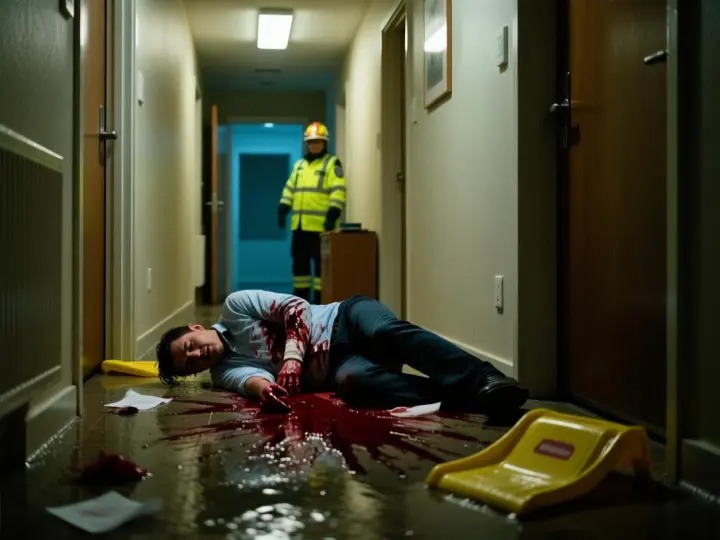
The many hazards that can cause concern within let cases can often be avoided if landlords act to fulfill their legal obligations promptly, as the law stipulates.
How to Prove Negligence of the Landlord
Success in a case that is pitting a tenant against a landlord, to a large extent, will depend on proving that the landlord was negligent. To be successful in this undertaking, there are four key elements that should be set out clearly and concisely:
- Duty of Care: The landlord had a legal duty to always provide the premises in a condition of safety.
- Breach of Duty: The landlord failed to fulfill their duty by not maintaining the building adequately and not resolving several hazards.
- Causation: The defective condition that existed on the property actually caused damage to the tenant. Damages: The tenant experienced financial or bodily damages.
- Example: If a tenant complains about a damaged railing, and the landlord doesn’t respond to this, and then the tenant falls and breaks a bone, this clearly proves negligence.
Step-by-Step Instructions for Filing a Premises Liability Claim
Filing a lawsuit against a landlord to initiate legal action can actually make one feel overwhelmed. In order to relieve tenants of this daunting situation, the following is a step-by-step process clearly outlined below to better understand:
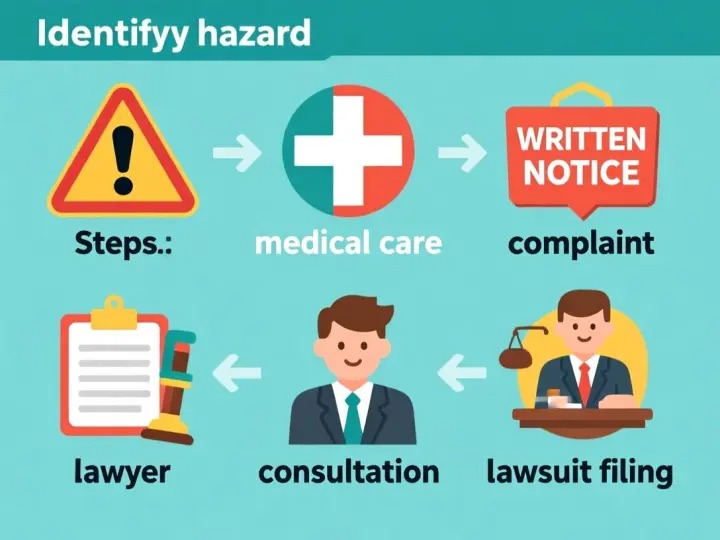
Step 1: Identify the Dangerous Condition
- Take clear and crisp photos and videos to document the hazard, such as worn-down stairways, leaky roofs, or mold.
- Try to get statements from nearby neighbors who observe the hazard because their testimonies may provide valuable insights.
- Additionally, retain copies of all repair requests made about these hazards to oneself to prevent future endeavors.
Step2: Obtain Medical Treatment and Care
- It is important that you receive immediate medical attention. The hospital records that will be generated while receiving medical attention will be very valuable
- They will contain very important evidence that will link your injuries to the conditions that made them hazardous.
Step 3: Notify the Landlord in Writing
- Always make a note of the hazard and your injury in writing. This avoids landlords claiming that they were unaware.
Step 4: Act by Filing with the Correct Authorities a Formal Complaint
- If the landlord is not going to make the proper maintenance, report to the code enforcement offices or the local housing offices. This establishes a public record. This creates a public record.
Step 5: Talk with a Lawyer of Premises Liability.
- A seasoned lawyer will examine the circumstances of your case with attention, gather all the evidence carefully, deal with insurance companies for you, and, if necessary, appear in court with the lawsuit to protect your rights.
Step 6: Proceed with the Formal Filing of the Lawsuit
- At your attorney’s consultation, sue within the statute of limitations (2–3 years, depending on your state).
What types of damages can renters recover in a premises liability lawsuit?
What types of damages can renters recover in a premises liability lawsuit?
If a tenant succeeds in a premises liability case, damages can be recovered, including:
- Medical Costs: Charges by the hospital, surgery, medicine, and rehabilitation.
- Lost Wages: If you were not able to go to work.
- Pain and Suffering: Damages to be awarded in money to compensate for emotional pain experienced, stress, or loss of enjoyment of life due to the experience.
- Property Damages: The expense of replacing articles and merchandise that were damaged or rendered not serviceable by reason of being unsafe and hazardous.
- Punitive Damages: Additional penalties should the landlord have acted with reckless disregard.
The pecuniary amount of settlements varies depending on the severity of the injuries, the level of negligence, and any coverage that may exist.
Average Settlement Amounts
Even with each case being unique, USA settlements conventionally fall within these ranges:
- Miscellaneous damages (sprains, small wounds): $10,000 – $40
- Moderate injuries (fractures, extended care): $50,000 to $150,000
- Serious injuries (permanent disability, serious burns): $200,000+
Proceedings that involve the tragic case of wrongful death or effective lack of care by landlords can potentially award sums of damages over and above average.
When is the landlord not liable?
Landlords do not owe an unconditional duty not to cause all harm. There are some situations over which they have no control.
- The landlord will not be found responsible or culpable if:
- The hazard was actually created by the tenant itself.
- The tenant, unfortunately, chose to overlook a clear and significant danger that was present.
- The landlord was not given a reasonable amount of time to attend to and solve the matter of concern.
- The tragic accident happened in a place that was not under the control of the landlord.
For example, if the tenant spills water on the floor through negligence and then slips on the floor, then the blame for such an incident will not rest with the landlord.
Statute of Limitations for Premises Liability Claims
There is a specific date by which people have to bring lawsuits within each of the states of the United States of America. The significant legal period is known as the statute of limitations.
- In most of the states, 2 to 3 years from the date of the hurt.
The omission to effect this particular deadline will typically result in you losing your legal right to sue.
Reasons to Consider Engaging the Services of a Premises Liability Lawyer
It’s not easy to make legal claims against landlords. The landlords have insurance companies and legal firms to defend themselves. A premises lawyer puts everyone on the same playing ground.
The advantages of engaging the Services of a Lawyer:
- Investigate the unsafe condition thoroughly.
- Collects statements of witnesses and expert witnesses.
- Handles negotiations with landlords and insurance companies.
- Maximizer of settlement value.
- Addressing the parliamentary floor and taking part by raising questions during parliamentary sessions.
Conclusion: Defending Tenant Rights in Premises Liability Claims
Premises liability lawsuit (landlord vs tenant) isn’t only about money, it’s about safety, responsibility, and the rights of tenants. In the USA, landlords have a legal duty to provide safe accommodations. When they don’t, tenants fully have the right to sue.
If you were injured on a rental premises, remember:
- Keep records of all.
- Get medical help immediately.
- Notify your landlord by letter.
- Seek a qualified premises liability lawyer.
If tenants know their law and act fast, then they will get justice and due compensation and keep their careless landlords on their toes.
Frequently Asked Questions (FAQs)
A premises liability claim enables a tenant to sue when an injury has occurred due to hazardous conditions in the rental property, where the landlord has failed to properly repair or maintain the property.
Common injuries include slip and fall cases, injuries due to faulty stairs, fire-related injuries caused by bad wiring, mold-related health problems, or injuries due to falling ceilings or structural defects.
The tenant must prove that the landlord had a duty to keep the property safe, failed to meet that duty, that this failure caused the injury, and that the tenant suffered actual damages as a result.
In most states, a tenant usually has 2-3 years from the date of injury to file a lawsuit, based upon state law.
A landlord will likely not be held liable for situations wherein a tenant created the hazard, disregarded an open and obvious danger, neglected to notify the landlord in sufficient time, or if the injury occurred outside the landlord’s control.