

Introduction: Understanding Class Action Employee Claims
When there are several workers who have experienced the same type of workplace violation, such as unpaid overtime, wage theft, discrimination, or wrongful dismissal, they can collectively initiate a class action employee lawsuit.
Such actions enable the workers to sue the employer at large, hence avoiding time, money, and energy that they would otherwise have spent on presenting individual actions.
This detailed guide explains:
- What is a class action employee claim is
- Who qualifies to join
- The step-by-step process for joining
- Shared pros, cons, and legalities
This paper is written especially for U.S laborers and is based on federal and state employment laws.
What Is a Class Action Employee Claim?
Definition of Class Action Employee Lawsuit
A class action employee claim is a lawsuit in which one or more workers act on behalf of a collective, known as “the class,” of workers who have all suffered similar breaches perpetrated by the same employer. Upon certification of the class by a court, all qualified workers automatically become part of the lawsuit, unless they choose to opt out.
Why Class Actions Are Common in Employment Law
Class actions are especially common in employment law because:
- Many employees face the same company-wide violations
- Filing one large case is more efficient than multiple individual lawsuits
- It reduces legal costs for employees
- It helps hold large corporations accountable
Examples of Class Action Employee Claims
- Unpaid overtime or violation of minimum wage
- Worker misclassification (treated as contractors, not workers)
- Workplace discrimination or harassment
- Unpaid bonus or commission
- Retaliatory or unfair dismissal.

Eligibility: Who Can Join a Class Action Employee Claim
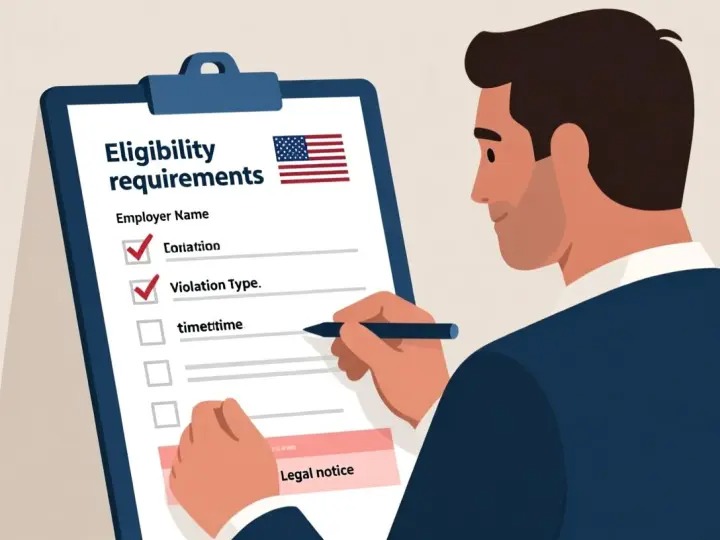
To join a class action lawsuit, an employee must generally meet the following criteria:
- Same Employer: You ought to have been working for the firm or business being sued.
- Same Violation Group: You experienced the same violation (e.g., unpaid wages or discrimination).
- Timeframe: Your duration of employment must conform to the periods provided in the lawsuit.
- Jurisdiction: The case must cover the state or federal laws that apply to your situation.
- Notice of Class Membership: You must receive a class action notice or be identified in the list of affected employees.
If you meet these requirements, you can join the employee class action lawsuit either automatically or by signing up.
How to Find an Employee Class Action to Join
1. Search Active Class Action Databases
Alive lawsuits could be accessed through reputable sites such as:
- ClassAction.org
- TopClassActions.com
- ClassActionDatabase.com
These sites regularly keep calendars of employment class actions across the United States.
2. Review Legal Notices or Emails
Courts or law firms send out class action notices by mail or email to eligible employees. Always check:
- The company name
- The type of violation
- The class period (dates)
- Instructions to join or opt out
3. Contact an Employment Law Attorney
It is best to talk to a qualified employment class action attorney to determine if you qualify.
Some American law firms, e.g., Getman Sweeney, PLB Law, and Outten & Golden LLP, offer no-fee consultations for them to evaluate your credentials.
How to Join a Class Action Employee Claim Step-by-Step Process

Step 1: Check Whether It’s Opt-In or Opt-Out
- Opt-Out Class Actions: You are automatically included unless you submit a written request to exclude yourself.
- Opt-In Class Actions: As a member, a person needs to fill out and sign a Consent to Join or Opt-In Form.
The overwhelming majority of wage-and-hour cases litigated under the Fair Labor Standards Act (FLSA) are opt-in class actions.
Step 2: Complete and Submit Required Documents
Documents often include:
- Class Action Claim Form
- Consent to Sue / Opt-In Form
- Evidence of Employment (Payment Statements, Timekeeping Records)
- Signed Declaration or Affidavit
- Release or Settlement Agreement, if used, respectively.
Please make sure to complete everything prior to the date shown on your notice.
Step 3: Complete Forms Before the Deadline
It does not entertain belated submissions, and you might lose the right to compensation.
The forms shall generally be submitted by:
- Online submission portal
- Regular mail
Keep a copy of all documents you send in.
Step 4: Give Supporting Evidence If Necessary.
You may be asked for:
- Timesheets or payroll records
- Email communications
- Witness statements
- Employment contracts.
The complete and correct information makes your case strong.
Step 5: Stay Current on the Case
- Check for updates from your class counsel (law firm representing the case).
- Attend hearings when necessary.
- Review all settlement notices or payment instructions once the case is resolved.
What Happens After Joining the Class Action

1. Class Certification
The court then determines whether the case constitutes a class action. Once certified, all employees who fit the criteria become class members.
2. Litigation and Discovery
The attorneys collect evidence, interview witnesses, and gather company papers for evidence of the employer’s wrongs.
3. Settlement Negotiations
Most employee class action cases are resolved through settlements.
If both sides agree, the court must approve the settlement amount and distribution plan.
4. Distribution of Compensation
- Once approved:
- Attorney fees and administrative costs are deducted.
- The remaining funds are allocated to class members who have submitted valid claims.
- They can be paid through a check, direct deposit, or electronic payment.
Benefits of Joining a Class Action Employee Claim
- Shared Legal Costs: There’s no up-front cost, at least not at first. Lawyers are typically paid only if the case wins.
- Greater Legal Power: Joining several causes of action provides a greater likelihood of success.
- Protection from Retaliation: American law does not allow employers to punish members who choose a class action.
- Fair Settlements: Larger groups often receive better settlement offers.
- No Individual Lawsuit Stress: There is no need for you to appear personally at law unless explicitly required.
Risks and Limitations
- Long Duration: Class actions have a duration of several months or years.
- Smaller Individual Payments: Settlements are shared among all class members.
- Less Individual Control: The lead plaintiff and class attorneys make major decisions.
- Strict Deadlines: Missing an opt-in or claim deadline disqualifies you.
Tips for Success When Joining a Class Action
- Keep all work-related documents: Preserve pay slips, time sheets, and letters.
- Act Quickly: Return forms promptly after being notified.
- Engage Qualified Attorneys: By selecting firms that specialize in employment class actions.
- Remain Up-to-Date: Keep following updates from your class counsel.
- Knowing Your Rights: The Fair Labor Standards Act (FLSA) gives protection for workers from being fired for pursuing rightful claims.
Real-World Application
Suppose you were employed by a national retail chain and uncovered that the organization systematically neglected to compensate for overtime hours.
If another worker files a class action lawsuit:
- You receive a class action notice.
- You review the claim details.
- You complete and submit the Opt-In Form.
- Provide your pay records.
- Wait for the settlement distribution after court approval.
This is how you officially join a wage theft class action.
Conclusion
To be a part of a class action employee claim provides workers in America with the fortitude to unite for equitable treatment. Whether the issue is a lack of pay, discrimination, or unlawful conduct, class-action lawsuits allow workers to hold corporations responsible while reducing expenses and controlling risk.
Even if you don’t, call an employment class action lawyer or visit ClassAction.org today for a free evaluation to determine if you have a case.
Frequently Asked Questions
Most employment class actions pay on a contingency fee basis; there are no fees unless you recover.
Indeed, a federal statute provides protection for individuals from damages for their participation in or assistance witha class action.
Anyone can choose to opt out by filing a written exclusion form prior to the established deadline.
In fact, if you decide not to participate, you retain the option of filing your own personal lawsuit.
Depending on the case complexity, a class action might extend for many years or a few months.