

Introduction
In America, the role played by whistleblowers is immensely important to help keep workplaces, government bodies, and businesses running on the basis of integrity and truth. A claim related to being a whistleblower is filed once an employee or anyone embarks on the act of courage to report unlawful, dangerous, or fraudulent practices that contravene the law or go against the public interest. Since most such reports are likely to uncover the misdoings of powerful bodies, people who dare to be the ones speaking up tend to face the threat of severe penalties, even punishment, or losing their livelihoods. To protect these fearless individuals, America has framed some protective laws, such as the Whistleblower Protection Act, the False Claims Act, the Sarbanes-Oxley Act, and the Dodd-Frank Act.
This article describes what whistleblower complaints are, US laws that protect the whistleblower, the steps to make a claim, time limits, damages, and the most frequent problems.
What is a Whistleblower Claim precisely?
A whistleblower claim is a lawsuit filed by an individual who blows the whistle on wrongdoing. Wrongdoing may be fraud, corruption, a safety violation, discrimination, an unlawful use of government money, or a violation of company regulations. Example:

- An employee who reports dangerous working conditions.
- A corporate employee who is disclosing cases of financial fraud being committed inside a company.
- A government contractor who filed a report about the misapplication of taxpayers’ money.
They are given legal safeguards that make it impossible for them to be subjected to termination of their services, demotion of their ranks, harassment of any nature, or any form of retaliation simply because they decided to come forward and uncover the truth.
Why the Protections for the Whistleblowers Are Extremely Relevant in the United States
Without the appropriate safeguards, workers would likely keep silent about instances of fraud or safety regulation violations due to the fear that would be elicited, including the fear that they would be fired. It is the reason why the laws exist to prevent victimizing the whistleblower so that the individual would feel protected and secure to report the malfeasance or unethical practice. These significant safeguards:
- Advance the value of honesty in workplaces.
- Save billions of dollars in taxpayer money.
- Promote the safety of the workers as well as the members of the public.
- Making the corporations and the government accountable.
Types of Whistleblower Matters
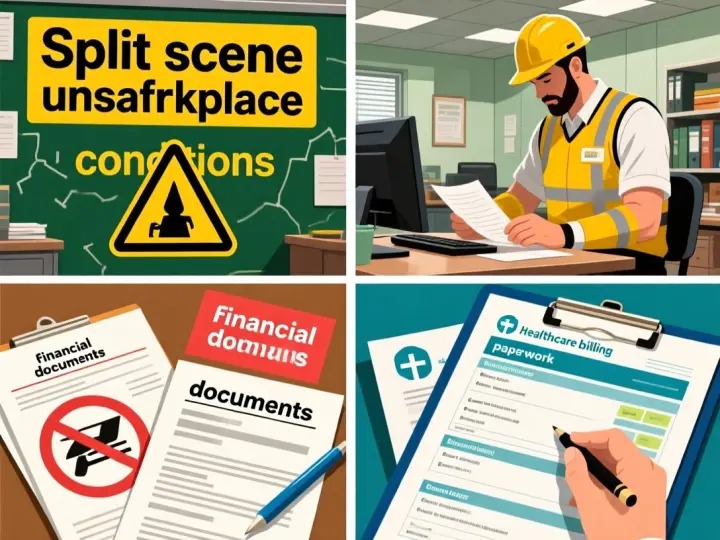
Workplace Violence
- Reporting harassment, discriminatory acts, or hazardous practices.
- An employee who goes to the Occupational Safety and Health Administration, also commonly called OSHA, to report on the hazardous and dangerous conditions that exist within the factory environment.
Government Fraud (False Claims Act)
Reporting firms that are involved in unethical practices against the government.
Example:
- A healthcare provider billing Medicare for fake treatments.
- Corporate Fraud (SEC, IRS, OSHA)
- Reporting financial fraud cases, involvement in tax evasion crimes, or offenses related to environmental laws and regulations.
Example:
- A bank concealing a loss to deceive investors.
- United States Laws that Protect the Whistleblower
- Whistleblower Protection Act (W
- Protects federal workers who report government malfeasance.
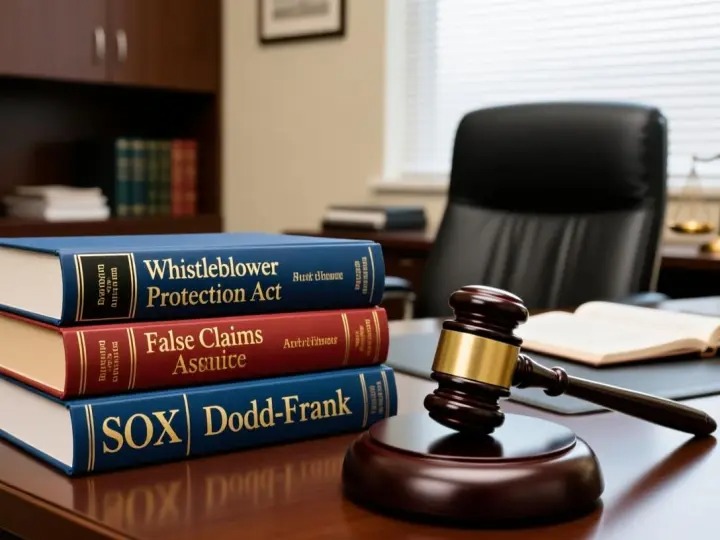
False Claims Act (FCA)
- Allows citizens to sue companies that cheat the government. It is likely that the whistleblowers may be given a share of the recovered proceeds.
Sarbanes-Oxley Act (SOX)
- Protects the employees who work for publicly held businesses who step forward and report cases of fraud or any other misconduct that is related to accounting practices.
Dodd-Frank Act
- It safeguards those who report malpractice in the financial sector, so they do get proper protection from retaliation, but also entitles them to financial rewards, as their input to the regulators is worthwhile.
Who Is Qualified to File a Whistleblower Claim?
- Government workers who are paid regularly.
- State workers and local government workers, which could differ depending on the actual laws enacted by each state.
- Workers who are employed in private businesses.
- Subcontractors as well as.
- In very exceptional cases, even the non-employees if they do happen to have evidence of the fraud.
Steps to Filing a US Whistleblower Complaint
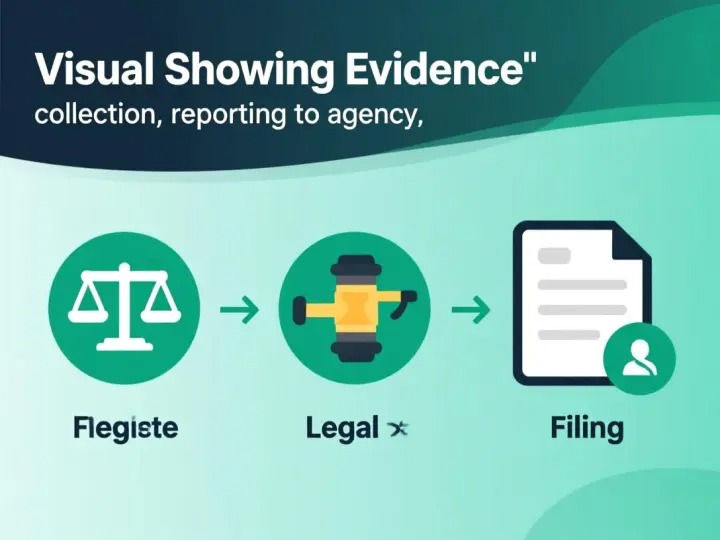
To file, read the
1 Assemble Evidence
- Bring together all the related emails, important documents, notable pictures, or any documents that forcefully verify the wrongdoing committed.
2 Create an Internal Report
- Most statutes demand that the problems or issues be presented to a manager, Human Resources, or the compliance department first before any lawsuits are filed.
3 Submit the necessary documents to the appropriate agency
- OSHA safety within the workplace.
- SEC for financial fraud.
- IRS for tax fraud.
- HHS was sued for healthcare fraud.
4 Commence Legal Action by Filing a Lawsuit
- In the case that internal reporting mechanisms or complaints to the agency prove to be unfruitful, the alternative still remains to lodge lawsuits before the federal court.
Statutory Provisions Governing a Whistleblower Claim
In order to win the case, the whistleblower must prove:
- It was an unlawful or dangerous activity that was involved.
- They gave their report in good faith (in honesty).
- They suffered retaliation (termination, demotion, harassment).
- They support their claim with facts.
Evidence Required to Validate a Whistleblower Claim
Internal company memoranda or emails.
- Payroll or accounting-related documents.
- Statements provided by witnesses.
- Printed copies of reports presented to agencies.
- Any evidence of retaliation (termination letters, warning notices).
Retaliation Protections for Workplace Whistleblowers
- Retaliation is defined as mistreating an employee who has made a report regarding malfeasance.
- Firing or demoting them.
- Cutting the amount of their wages.
- Isolating or harassing them.
- It is unlawful under US law to retaliate. Employees are able to sue if they are retaliated against and sue for reinstatement, back pay, and damages.
Damages and Compensation in the Claims of the Whistleblowers
Successful tipsters are reimbursed:
- Loss of wages and benefits.
- Damages for emotional distress.
- Attorneys’ fees.
- Punitive damages (Additional fines for wrongdoing).
One portion of the monetary resources recovered on behalf of fraud actions, as delineated through the provisions under the False Claims Act, is invariably between 15% to 30%.
Cost of Filing a Whistleblower Claim
Most lawyers who practice whistleblower cases do so on a contingency fee basis, meaning that essentially the lawyers will only be paid if the whistleblower wins obtaining compensation. This arrangement significantly raises the accessibility of the procedure that comes with bringing a complaint.
Deadline to File (Statute of Limitations)
Deadlines vary considerably depending on the actual legal framework or statute being used:
- OSHA complaints: Usually within 30-180 days.
- False Claims Act: Up to 6 years (at times, 10).
- Securities fraud: At most, 6 years.
Filing your paperwork late can lead to the unfortunate consequence of having your case dismissed, so it is absolutely essential to take action swiftly and without delay.
Procedure for Resolving Complaints about Whistleblowers
- This case could be resolved outside the courthouse if the company would be willing to pay for the damages incurred.
- Settlement avoids long lawsuits and gives the whistleblowers faster pay.
- Government agencies, such as the SEC or IRS, even pay money to the whistleblowers as rewards for facilitating the recovery of money.
Common Hindrances that Arise during Whistleblowing
- Insufficiently strong or convincing evidence.
- Extreme fear that there would be retaliation.
- It is a long, drawn-out process.
- Feeling emotional stress due to opposing powerful employers is sometimes overwhelming.
Conclusion
It is the duty of the whistleblowers to keep society safe from corruption, fraud, and risky practices. It is the statutes of the United States, i.e., the Whistleblower Protection Act, the False Claims Act, the Sarbanes-Oxley Act, and the Dodd-Frank Act, that provide effective protection, as well as financial gains to the person who comes forward. If you think that you’ve been a witness to malfeasance, gather your evidence, report responsibly, and ask for legal assistance quickly. Whistleblower laws make honesty pay, and retaliation is punished.
Frequently Asked Questions (FAQs)
No, the United States laws offer categorical protection from any act of retaliation. In the unfortunate event that they terminate your services, you legally reserve the right to file a claim of retaliation.
Yes, especially where there are IRS or SEC whistleblower cases.
In the False Claims Act, the informants may be awarded 15-30% of the amount recovered.
In fact, an attorney who handles whistleblower suits plays a very important part in protecting your legal rights as well as increasing the possibility that your case will be a successful one.