
Introduction
Purchasing a product within the United States of America includes an implied assumption that using the product will be safe. Whether a car, medical equipment, home appliance, or even a toy meant for a child, consumers can rest assured that the sellers and manufacturers have adequately tested their products. Sadly, this is not always true. Thousands of Americans get injured, their property destroyed, and even killed annually due to defective products.
When a product becomes harmful, the law entitles hurt consumers to bring a product liability lawsuit. The legal procedure enables victims to sue the manufacturer, distributor, and store owner for marketing harmful products. In this comprehensive guide, we will summarize all that you should know about product liability cases within the U.S., including what they are, how they function, the process of claiming, and ways to claim the highest amount of money.
What is a Product Liability Claim?
The product liability claim is one of the legal actions whereby a consumer demands to be compensated by seeking damages or injuries resulting from a defective product. Unlike any other case of personal injury, product liability is not necessary to show negligence in the classical sense. Instead, with strict liability law, a manufacturer may be held accountable without having to intend to harm by virtue of having sold an unsafe product.
In a nutshell, if a properly functioning product injured you because of some defect, then you can have a meritorious product liability case.
Why US Product Liability Claims Are Important
Product liability cases are not only about dollars. They’re about a wider cause: protection of the consumer. They:
- Provide justice for injured victims.
- Pressure firms to adopt better safety standards.
- Assist in getting harmful products off store shelves.
- Do not cause harm to other future consumers.
For instance, while mass car companies face lawsuits over flawed airbags or brakes, this will sometimes invoke nationwide product recalls to avert potential losses of many lives.
Defects of a product that result
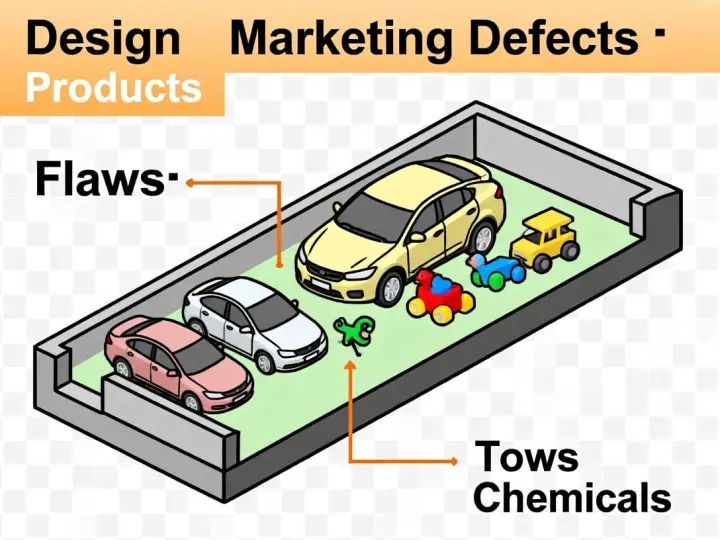
Not all of the product-induced injuries qualify for a product liability claim. The law specifies three general types of product defects:
1. Design Defects
- Definition: Defect in design refers to the product not being safe to begin with. The design of the product is defective, and thus each item of that product is harmful.
- Example: A car that was designed with its fuel tank positioned such that the fuel was prone to exploding on the occasion of rear-end collisions.
- Why it’s important: Poor design cannot be salvaged by good manufacturing.
2. Manufacturing Defects
- Definition: A manufacturing defect occurs during the manufacturing process. In this case, the product design is safe, but errors during manufacturing or assembly of the product render the product harmful.
- Example: A stock of manufactured chemicals was contaminated in the plant.
- Why it matters: Units can be defective, but defective units can be harmful.
3. Marketing Defects (Failure to Warn)
- Definition: Defective marketing occurs in scenarios where a product may be safe to utilize only if appropriate utilization is conducted, but the company does not provide appropriate directions and cautions.
- Example: A floor chemical that will scald and that is not labeled to warn.
- Why it’s significant: Consumers will not be able to defend themselves against unseen dangers.
Examples of Real-Life Defective Product Litigation
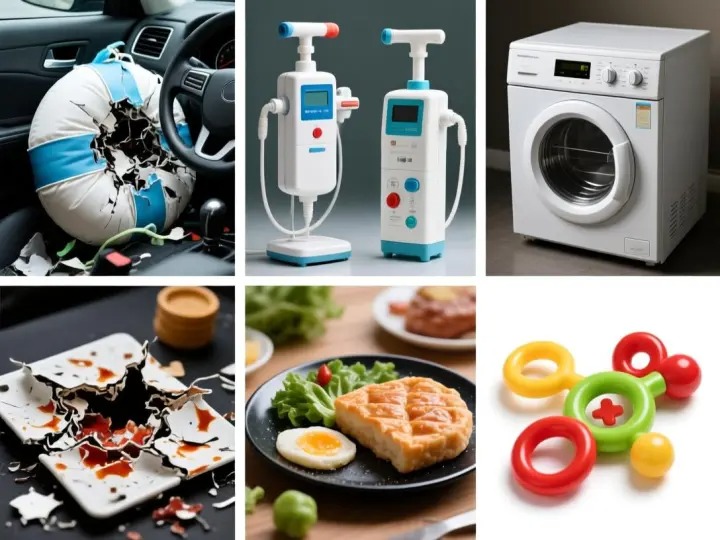
To understand how these scenarios unfold, let’s review real-world scenarios from the U.S.:
- Car Defects: Defective brakes, exploding airbags, or steering system failures.
- Medical Devices: Defective pacemakers or implants that cause illness.
- Home Articles: Space heaters that catch fire, or kitchen appliances that overheat.
- Children’s Playthings: Small items that may choke.
- Food Products: Contaminated foods that lead to E. coli or Salmonella infection.
Each of these instances can cause a product liability case if the injured individual is injured.
Who May Be Sued for a Defective Product?
Among the distinguishing characteristics of the U.S. product liability law is that numerous players within the stream of supply can be held to account. They comprise:
- Manufacturers: The companies that produce and design the product.
- Distributors: They are businesses that distribute and move the product.
- Retailers: Shops that provide the product to the final consumer.
No necessity to determine which of the parties was truly negligent. All parties can be sued with a defective product case.
How to File a Claim of Product Liability – Step by Step
It can be intimidating to sue over a defective product, but breaking down the procedure into simple steps clarifies the process:
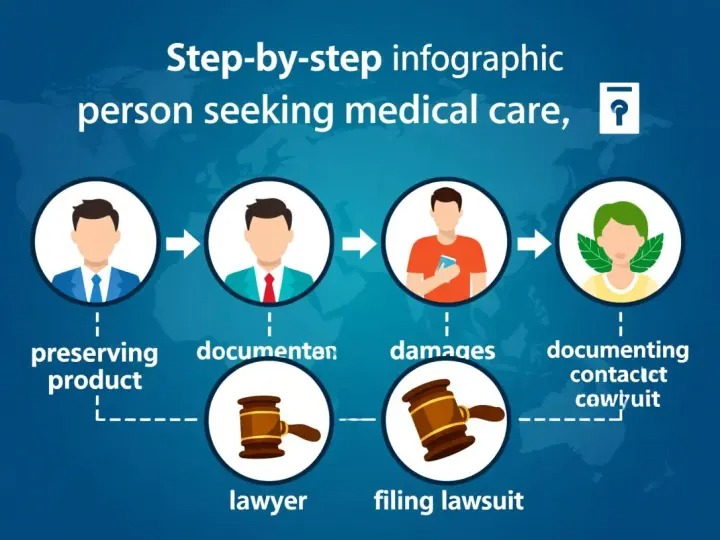
Step 1: Receive Medical Attention
Your health always takes priority. Get medical care early to attend to your injuries. Not only will this safeguard your health, but your medical report will go a long way with your case.
Step 2: Save the Defective Product
Never dispose of the product. Store it just the way it was stored during the accident. Preserve all the packages, purchase receipts, manuals, and warranties. They will be used to establish to your attorney that you really purchased and used the product.
Step 3: Document Everything
Take close-up photos of your damages, property damage, and defective product. Photograph precisely what happened, when this happened, and how this harm occurred. Make note of all of your costs, including hospital costs, therapy costs, and lost wages.
Step 4: Contact a Product Liability Lawyer
A seasoned product defect attorney will know how to deal with these cases, round up expert witnesses, and negotiate with multimillion-dollar companies. The majority of lawyers will offer free case evaluations and carry cases on a contingency basis, which means that they only get paid if you win.
Step 5: File the Claim Within the Limitations of the Statute
Each state has a deadline (statute of limitations) to bring a product liability case. It’s typically between 2 and 4 years after the date of injury. If this deadline is missed, the right to compensation is typically lost.
What Damages Are You Entitled To?
Defective product injured parties can recover numerous forms of damages, including:
- Medical costs (surgical procedure, emergency treatment, prolonged care).
- Lost wages (income you lost due to being unable to work).
- Loss of earning capacity (in the event that you cannot return to work).
- Pain and suffering damages (suffering, bodily pain).
- Punitive damages (to deter careless businesses).
The Role of Product Recalls
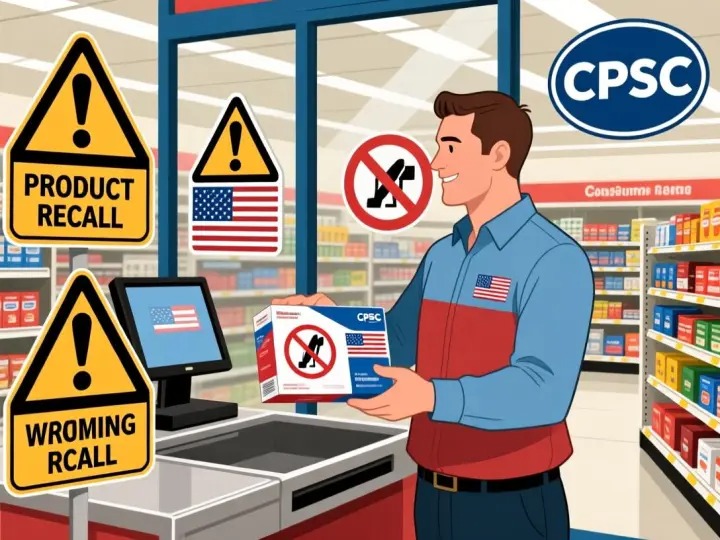
Most defective products get recalled after being linked to any kind of injury. The product recall is defined as a public notification by any manufacturer or by the Consumer Product Safety Commission (CPSC) to ask consumers to stop using any product and get the product repaired, replaced, or reimbursed.
Nonetheless, a recall cannot stop the victims from taking you to court. If you were injured prior to the recall, you can still claim a defective product.
Why It’s Perfect to Hire a Product Liability Lawyer
Large corporations will struggle mightily to avoid having to pay damages. Having a product liability
lawyer in your corner can make all the difference. A lawyer will:
- Identify the source of the defect.
- Collaborate with medical specialists, engineers, and safety specialists.
- Negotiate with insurance firms.
- Present your case to the court.
Concluding Remarks Regarding Liability Suits over Merchandise
Product liability lawsuits allow citizens to hold companies accountable for defective merchandise. Whether the defect is with the design, process of manufacturing, or absence of proper warnings, injured citizens of America enjoy effective legal rights.
If you or a loved one was injured by a flawed product, act now.
- Save the evidence
- See the doctor
- Call an experienced product liability attorney to make companies answerable.
Such lawsuits not only earn you dollars for your damage, but they also make companies design safer products for all of us.
Frequently Asked Questions (FAQs)
Product liability refers to a claim of legal action instituted by an injured consumer due to defective products. It enables the injured party to seek compensation against manufacturers, distributors, or retailers.
There are three major types of defects:
Design defects: The product is unsafe by design.
Defects in manufacturing: Production errors make the product unsafe.
Marketing defects-failure to warn: Because of the lack of proper instructions or warnings, the product is dangerous.
Several parties along the supply chain can be sued:
Manufacturers: They are responsible for design and production.
Wholesalers/Distributors: are in charge of transporting the product.
Retailers: those who sell the product directly to consumers.
Seek medical care immediately.
Retain the defective product and all associated packaging intact.
Document your injuries, damages, and financial losses.
Contact a skilled product liability attorney today.
File your claim within the statute of limitations.
Victims may be entitled to
Medical Expenses, Lost wages, loss of earning capacity, Pain and Suffering, Punitive damages, if the company acted recklessly