

Introduction
In the USA, the patient places confidence in the doctor, pharmacist, and medical caregiver to properly prescribe and administer medication. Mistakes do occur, however: the incorrect medication, incorrect dosage, incorrect directions, or incorrect patient can result in grave harm. If you have been injured by the mishandling of medication by way of prescription, you likely have a wrong prescription claim under the law of medical malpractice in the USA medical malpractice law. Knowing your patient rights, how to build a case, and what damages you may recover is crucial.
This guide takes you through what a prescription error is, when you are able to make a claim, how you establish negligence, the legal process, what your patients’ entitlements are, and what you need to do practically if you believe there is an incorrect prescription.
What Is a Wrong Prescription Claim?
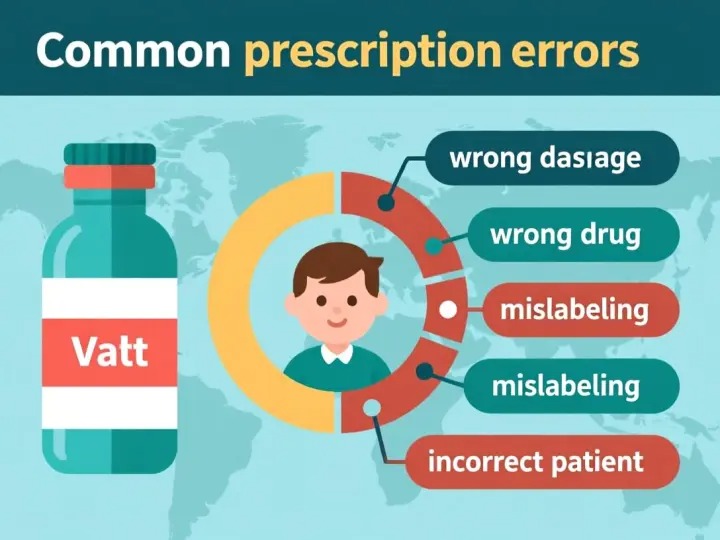
A claim for the giving of the wrong prescription (also referred to as a claim for medication error, claim for prescription malpractice, or claim for prescription negligence) is an action for medical malpractice or tort by the patient harmed by the issuance of the incorrect prescription.
A medication error may involve:
- Incorrect drug prescribing (drug mismatch)
- Administration of the incorrect dosage (too high or too low)
- In failing to check for drug interactions, allergies, or contraindications
- The wrongful dispensing of drugs from the pharmacy
- Mislabelling / incorrect labelling (take with food / without food)
- Medication was given to the wrong patient.
- Failure to advise the patient of risk or side effects. In case one such error leads to injury, the patient can bring an action for wrong prescription to receive damages.
- Mislabelling/supply of inaccurate guidelines (e.g., take with/without food)
- Medicationwas given to the incorrect patient
- Failure to inform the patient of risk or side effects
In case one such error leads to injury, the patient can bring an action for wrong prescription to receive damages.
Why Prescription Errors Are a Serious Problem
Medication and prescribing errors are commoner and riskier than is generally recognised:
- Medication error harms an estimated 1.5 million Americans each year and is responsible for 7,000 to 9,000 yearly fatalities.
- Some medication and pharmacy errors are the incorrect drug, incorrect dosage, incorrect labeling, and the omission to warn.
- Medical errors are also caused by miscommunication, poor penmanship, menu drops from computers, confusion over drug names, or the absence of verification methods.
Since prescription mistakes may actually aggravate disease, initiate an overdose, an adverse effect, or other harm, the criminal penalties are quite heavy.
Patient Rights in Prescription Error Cases
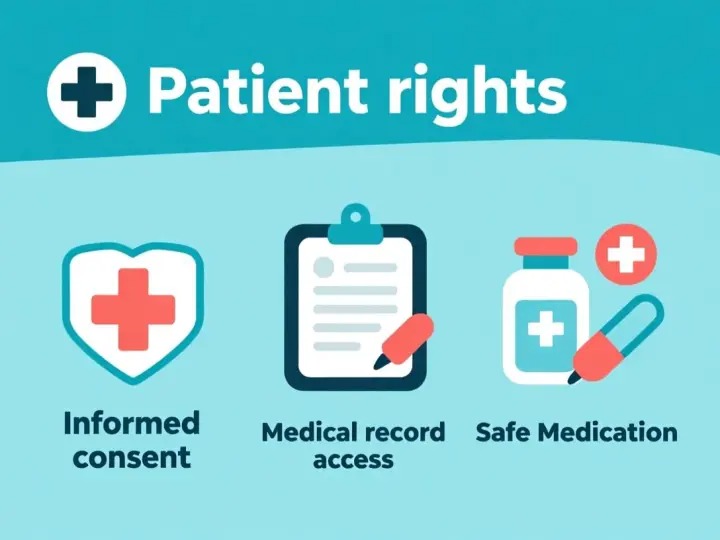
In case one suspects having been negatively impacted by an incorrect prescription, one must know the said patient’s rights as outlined under the law of the U.S. as follows:
The right to informed consent and medication counselling
Before you are placed on medication, you are owed proper information regarding the risks, benefits, and alternatives. If the provider does not disclose the side effects or the risks, this is likely to violate your rights.
The access to one’s medical records
You have the right to get any prescriptions, doctor’s letters, pharmacy information, test results, and any correspondence pertaining to your care.
Right to safe and competent care
You have a right to receive care that meets the medical standard of care. That includes proper prescribing and dispensing of medications.
The right to informed consent and medication counselling
Before you are placed on medication, you are owed proper information regarding the risks, benefits, and alternatives. If the provider does not disclose the side effects or the risks, this is likely to violate your rights.
The access to one’s medical records
You have the right to get any prescriptions, doctor’s letters, pharmacy information, test results, and any correspondence pertaining to your care.
- Right to file a complaint or claim
You have the right to report the mistake to the state health departments, pharmacy boards, or bring up a suit for civil action (medical malpractice). - Right to legal representation and compensation
If the injury was the result of negligence, you may bring in a lawyer and sue for medical expenses, lost wages, and pain and suffering. - Right to a statute-of-limitations awareness
All the U.S states have deadlines (statutes of limitations) to raise the claims for malpractice; you must do so before the time expires. - Right against retaliation or waiver of rights
You will not be coerced into agreeing to the abrogation of the entitlement to bring an action as one term of receiving care.
These rights ensure patients are not powerless when providers make serious errors.
When Can a Wrong Prescription Claim Be Filed?
Not all negative outcomes from medication are good for a legally viable claim. To file a wrong prescription claim, certain conditions must be satisfied:
- There must be a duty of care
The medical provider (doctor, pharmacist, etc.) must owe you a legal duty to prescribe or dispense safely. That duty arises once you become a patient. - Breach of the standard of care
You must show the provider deviated from what a reasonably competent provider would do under similar circumstances (e.g., failing to check interactions or allergies). - Causation
The prescription error must have directly caused or materially contributed to your injury (not due solely to underlying disease). - Damages/harm
You must show actual harm (medical injury, costs, suffering).
If all these elements are present, you may be eligible to bring a wrong prescription claim under medical malpractice or negligence doctrines.
Additionally, in some jurisdictions, you must comply with notice requirements before filing a lawsuit (e.g., notifying the provider in advance) and abide by statutes of limitation (often 1–3 years, depending onthe “discovery rule”).
In sum: you need duty + breach + causation + damages, within the allowed time.
Who Can Be Held Liable in Prescription Error Claims?
Often, more than one party may share liability in a wrong prescription claim. Potential defendants include:
- Prescribing physician/provider: for writing the wrong drug or dosage
- Pharmacist/pharmacy: for dispensing incorrectly, mislabeling, failing to warn
- Hospital or clinic: for institutional practices or supervision
- Pharmacy technicians or staff: if they contributed to the error
- Drug manufacturers: in rare cases of defective labeling or packaging
- Nurses/administrators: in the case of incorrect medication
For instance, whichever pharmacist dispenses you medicine that was not yours (wrong-patient dispensing), this is a direct pharmacy error.
In most pharmacy malpractice suits, the case will need to scrutinize systems (safety checks, double checks, staffing, training) to identify negligence at the institutional level.
Consequently, establishing liability frequently necessitates a thorough examination conducted by legal and medical professionals.
How to Prove a Wrong Prescription Claim (Evidence & Expert Testimony)
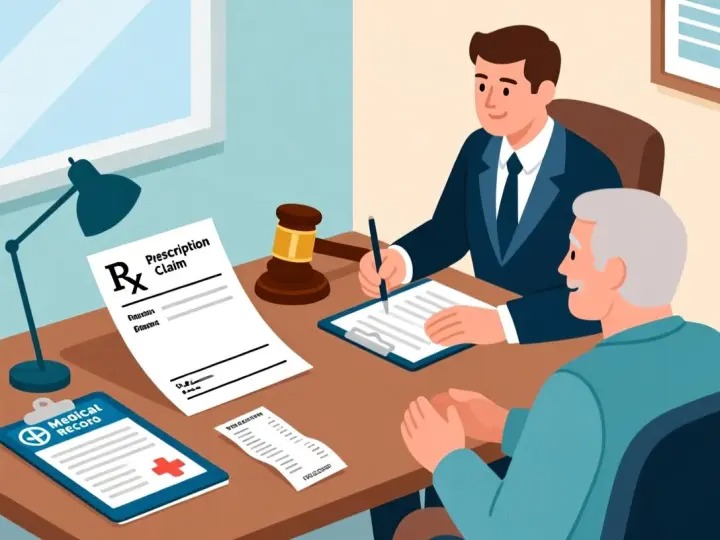
Perhaps the most daunting aspect of an improper prescription case is establishing negligence. The following outlines the typical methodology for accomplishing this:
Gathering evidence
You or your attorney should collect:
- The original prescription and any subsequent prescriptions
- Pharmacy labels, packaging, and instruction inserts
- Medical records, Progress notes, and lab reports
- Your medical history, allergies, and co-medication
- Affidavit statements (e.g., by members of staff or witnesses)
- History of the timeline of your symptoms, injuries, or adverse reactions
- Images, bills, receipts, and communication records
It is important to preserve evidence early; never throw away packaging or records.
Expert testimony
In nearly all instances of prescription malpractice, you will have to present expert testimony (from a doctor, pharmacist, or other licensed medical professional) to detail:
- What is the accepted standard of care in that medical context
- How the defendant breached that standard
- That the breach caused your injury
- The extent of your damages
Courts generally reject claims without expert witnesses because medical practice is technical and specialized.
Causation and proof of harm
You must show that the wrong prescription caused or materially contributed to your injury (rather than the underlying disease). This often involves:
- Medical records showing onset / worsening after the prescription
- Expert medical opinion linking error to harm
- Ruling out alternative causes
Overcoming defense strategies
Defendants may argue:
- They did not breach the standard of care
- The condition was the result of present illness, not the drug
- The patient was also liable for the damage by comparative or contributory negligence.
- The suit is barred by the statute of limitations.
The legal team is required to refute those defenses with supporting evidence, medical expert reports, and legal arguments.
Types of Damages & Compensation
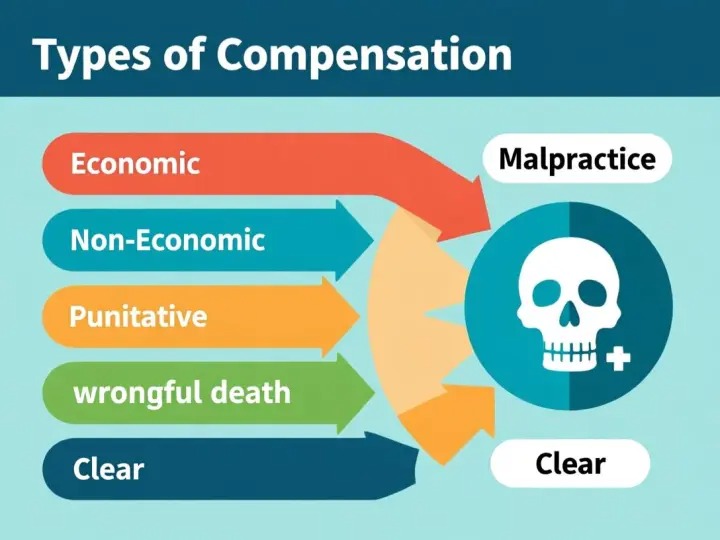
If you succeed on your claim for the incorrect prescription (with settlement or verdict), you could be able to receive some types of damages (compensation). Typical categories are:
- Economic (special) damages
- Existing and future medical costs (hospital bills, consultations, medication, therapy)
- Lost wages (wages lost from injury)
- Loss of earning capacity (if you cannot return fully to work)
- Rehabilitative expense, home care, assist
- Non-economic (general) damages
Pain and distress, mental distress
Symptoms of distress, anxiety, loss of pleasure from living
Disfigurement or permanent disability. - Punitive damages
In an extremely unusual case, if the provider is grossly negligent or willfully irresponsible, punitive damages, to punish and to deter, are possible, depending on the state laws. - Wrongful death damages
Where death results from error in prescription, the survivors or estates of the dead may be awarded recovery for funeral bills, loss of support, loss of consortium, et cetera.
The compensation level is very much dependent upon the gravity of injury, impact on life, jurisdiction, credibility of evidence, and negotiation.
Statute of Limitations & Legal Deadlines
In the U.S., each state sets a statute of limitations on medical malpractice actions, including actions for the wrong prescription. They set the outer limit on how much time you have from injury or discovery to bring an action, failing which your claim will be statute-barred.
Important points:
- Most states permit 1 to 3 years from injury occurrence or from the time the injury was discovered (discovery rule).
- Some states have notice requirements, so one must give the provider advance notice before bringing the suit.
- Some states have caps on damages or statutory limitations on malpractice.
- Tolling exceptions may apply (e.g, minors, disability, concealment).
Because deadlines vary by state and fact pattern, you should consult an attorney promptly after discovering an error.
Procedure to Pursue If One Suspects There Is the Wrong Prescription
If you believe that the provider improperly prescribed, take action promptly to protect your privileges:
- Secure professional medical care
Ensure your health and safety by addressing any adverse effects promptly. - Notify the provider/pharmacy
Inform them of the error, request an explanation, and ask for their records. - Preserve evidence
Keep the pill bottle, packaging, inserts, labeling, and any information you took home. - Obtain your entire medical record.
Please ask for all records that relate to the treatment, prescriptions, lab work, diagnoses, and progress notes. - Document everything
Create a timeline: dates, times, suppliers, signs/symptoms, discussions, and your expenses/equipment. - Reach out to a medical malpractice
Better still, one with experience in prescription or pharmacy error litigation. They will analyze the case, help with the collection of evidence and experts, and the court process. - Keep the required notices or complaints
In your state, you will also be able to file notice letters or complaints with health departments or medical boards. - Do not give up admissions without the advice of an attorney
Do not use language that restrains your privileges or words that you may be held against.
The earlier you do so, the better the evidence you will have.
Difficulties and Risk associated with False Prescription Claims
Though flawed prescription claims have big payout potential, there are numerous obstacles:
- Burden of proof & expert testimony: Medical cases demand strict evidence and credible expert witnesses.
- Causation disputes: Defendants often argue that the worsening was part of the disease, not the error.
- Comparative fault: Some states will reduce your recovery if you are the party responsible.
- Statute of limitations: Missing deadlines kills the claim.
- High cost and delayed litigation: The medical malpractice suits tend to be time-consuming, expensive, and delayed.
- Limits or damage ceilings: Non-economic or punitive damages are limited by some states.
- Settlement pressure: Insurers will sometimes provide a low settlement up-front, trying to force you to take less than full value.
Despite these challenges, many valid claims do succeed, especially when negligence is clear, evidence is preserved, and legal counsel is competent.
Sample Scenarios & Case Examples
Here are illustrative examples of wrong prescription claims:
- Wrong-patient dispensing: A pharmacy gives you another patient’s prescription; you skip a needed drug and suffer complications. Ex. Wrong patient dispensing case causing pulmonary embolism)
- Overdose error: A prescriber prescribes 10 times the desired dosage, inflicting organ damage.
- Failure to warn of interaction: Your pharmacist does not warn you that the new medication will interact harmfully with the medicine you currently take, triggering an extreme reaction.
- Mislabeling error: Your pharmacy labels the medication “once daily,” while the doctor had ordered “twice daily” dosing
- Allergy oversight: A physician prescribes a drug you are known to be allergic to, without checking your allergy record, causing a severe reaction.
In all three instances, the patient will have a rightful claim for wrong prescription if they are able to demonstrate duty, breach, causation, and harm.
Tips for Patients & Attorneys
- Early involvement of legal counsel helps preserve evidence and meet deadlines.
- Use independent pharmacy/medical experts to audit prescribing and dispensing practices.
- Seek peer expert opinions to challenge defense experts.
- Bundle multiple errors into one broader claim (if multiple mistakes occurred).
- Negotiate aggressively, and many prescription error cases settle before trial.
- Publicize or report cases (to prevent recurrence) while maintaining confidentiality.
Conclusion
An incorrect prescription claim is an urgent legal remedy for U.S. patients injured by an error in prescriptions or dispensing. By learning about the basics of your patient rights, the components of an action for negligence, evidentiary gathering and expert testimony, as well as your state’s statutory deadlines, you will be better able to protect yourself as well as to bring claims for injuries. If you think you have been injured by an error in prescribing, don’t hesitate, save evidence, talk to an experienced medical malpractice lawyer, and take advantage of your rights.
Frequently Asked Questions (FAQs)
A wrong prescription claim is a type of medical malpractice claim filed when a patient is harmed due to an incorrect prescription. This may include the wrong drug, wrong dosage, mislabeling, or medication given to the wrong patient. Filing such a claim will enable the patient to seek compensation for their medical costs, lost wages, and pain and suffering.
Liability can fall to various parties: prescribing physicians, pharmacists, nurses, and even hospital personnel, but sometimes also to the drug manufacturers. Establishing responsibility generally involves an in-depth examination of systems, procedures, and sometimes those individuals responsible for ordering, filling, or delivering the medication.
These include the rights to safe and competent care, informed consent, access to medical records, and the right to file a complaint or lawsuit. They also have a right to legal representation, to be informed of statutes of limitations, and protection from retaliation when filing a claim.
To establish such a claim, necessary documentation includes records of prescriptions, medical records, pharmacy labels, and timelines of symptoms. It also typically requires expert testimony from a doctor or a pharmacist regarding how the provider breached the standard of care and that the error directly caused an injury.
Damages can include economic damages, such as medical costs and lost wages; non-economic damages, including pain and suffering and emotional distress; punitive damages for gross negligence; and, in cases of death, wrongful death damages for funeral costs, lost support, and loss of consortium.